
A closer look at brain waves.
When may EEG be recommended?
- Epilepsy and seizure disorders
- Selected sleep-related disorders
- Assessment after brain injury when clinically indicated
- Encephalitis — inflammation of the brain
- Selected cognitive or memory concerns when altered brain activity is suspected
Your clinician decides whether this test is appropriate. Results are interpreted alongside symptoms, examination and other investigations; a test alone does not establish every diagnosis. EEG is not a routine test for every memory complaint or sleep problem.
What is an EEG?
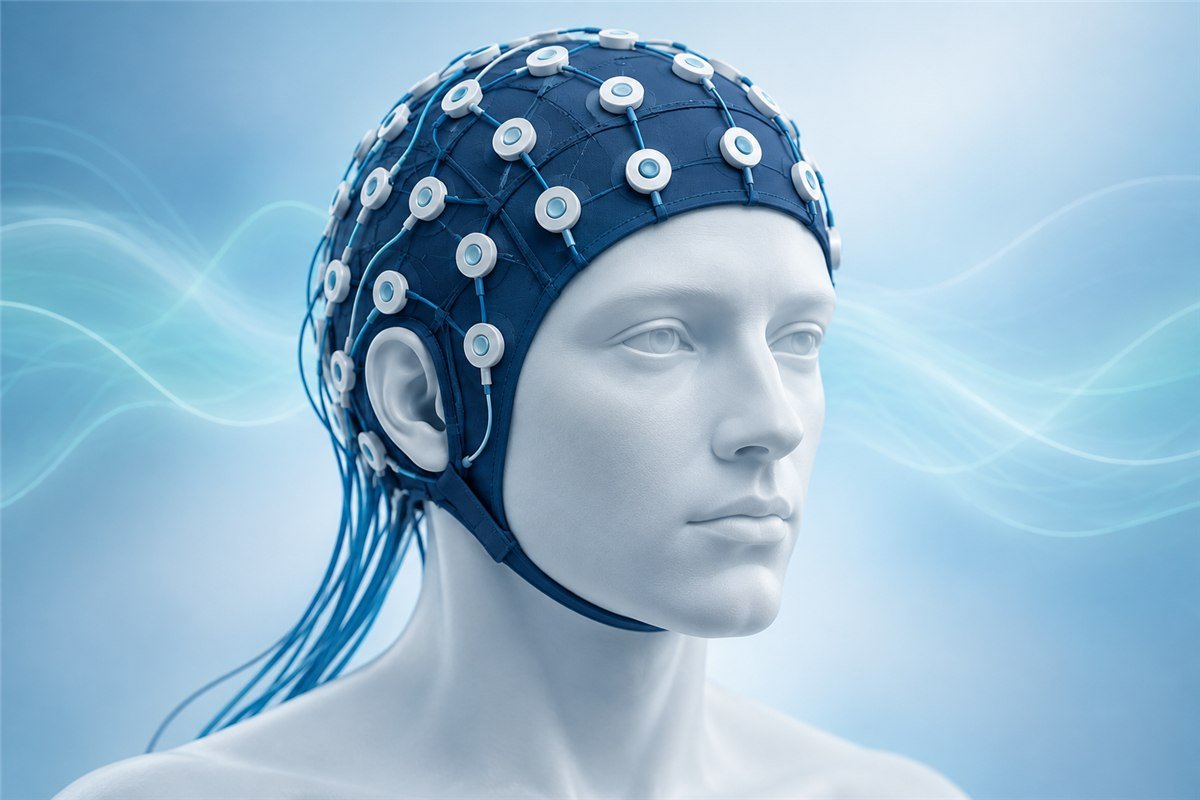
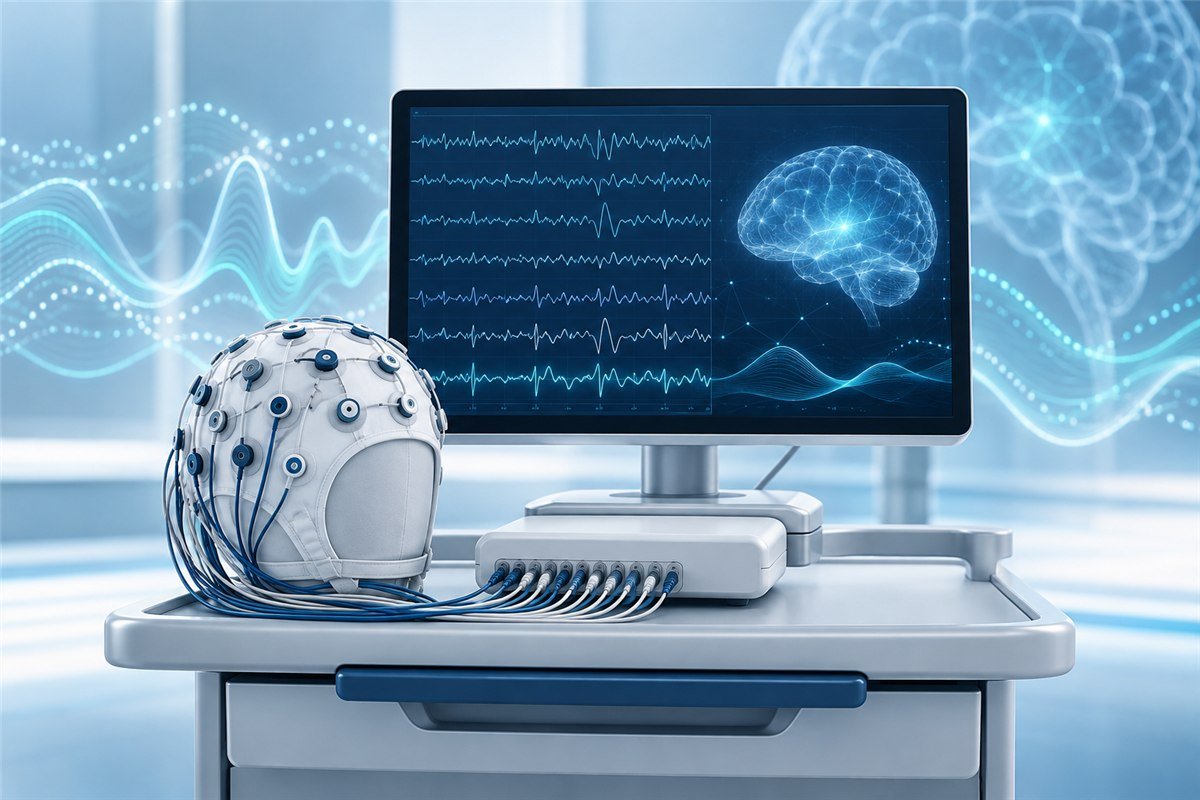
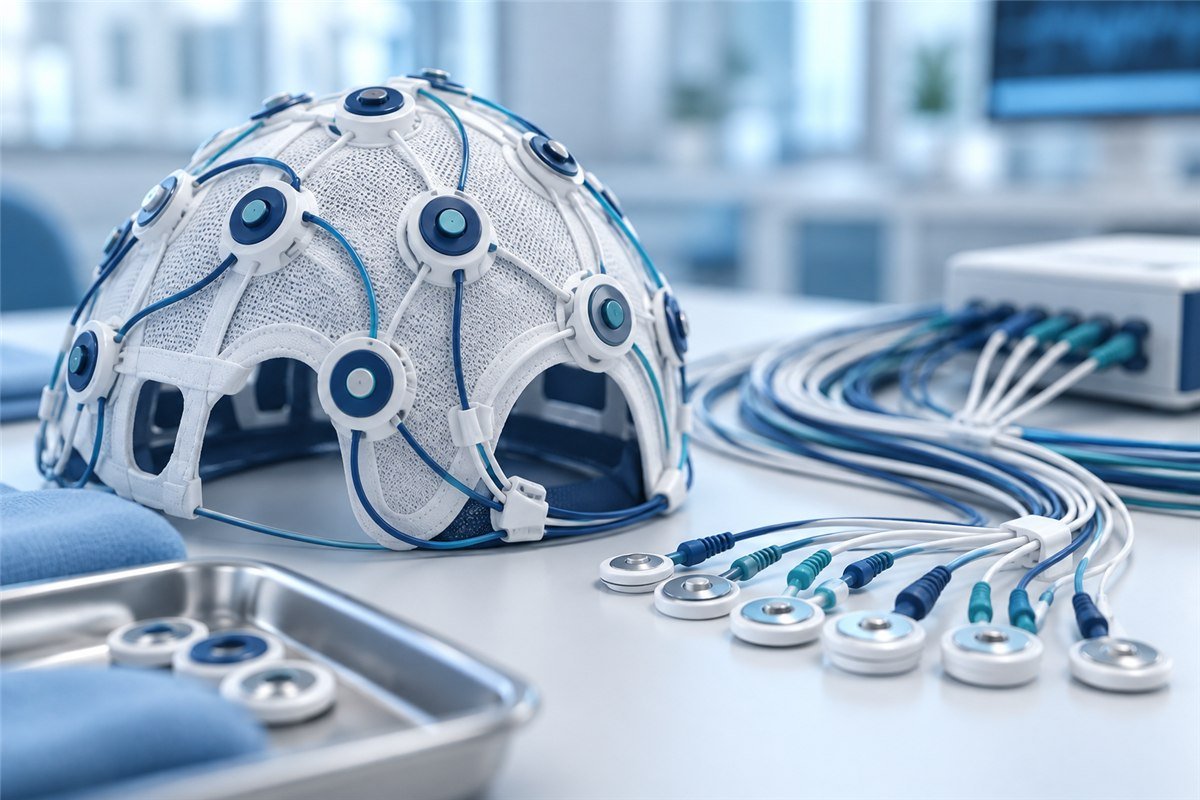
An EEG records electrical activity in the brain using small sensors placed on the scalp.
Why might a doctor recommend it?
It can help assess seizures and some other brain-related conditions. Your doctor will explain the reason for your test.
How is it performed?
You sit or lie comfortably while sensors record brain signals. You may be asked to open your eyes, breathe deeply or look at flashing lights.
Is it painful?
A routine EEG is painless. The sensors record signals; they do not send electricity into your brain.
How should I prepare?
Arrive with clean, dry hair without styling products. Follow the clinic’s instructions, especially for a sleep-related EEG. Ask before changing any medicines.
How long does it take?
A routine appointment usually takes about an hour; other EEG types take longer. Confirm your appointment length with the clinic.
What happens afterwards?
The sensors are removed. Most people resume usual activities. Special instructions may apply after a sleep-deprived test. A clinician reviews the recording and explains the results.
Patient information reference: NHS — EEG ↗